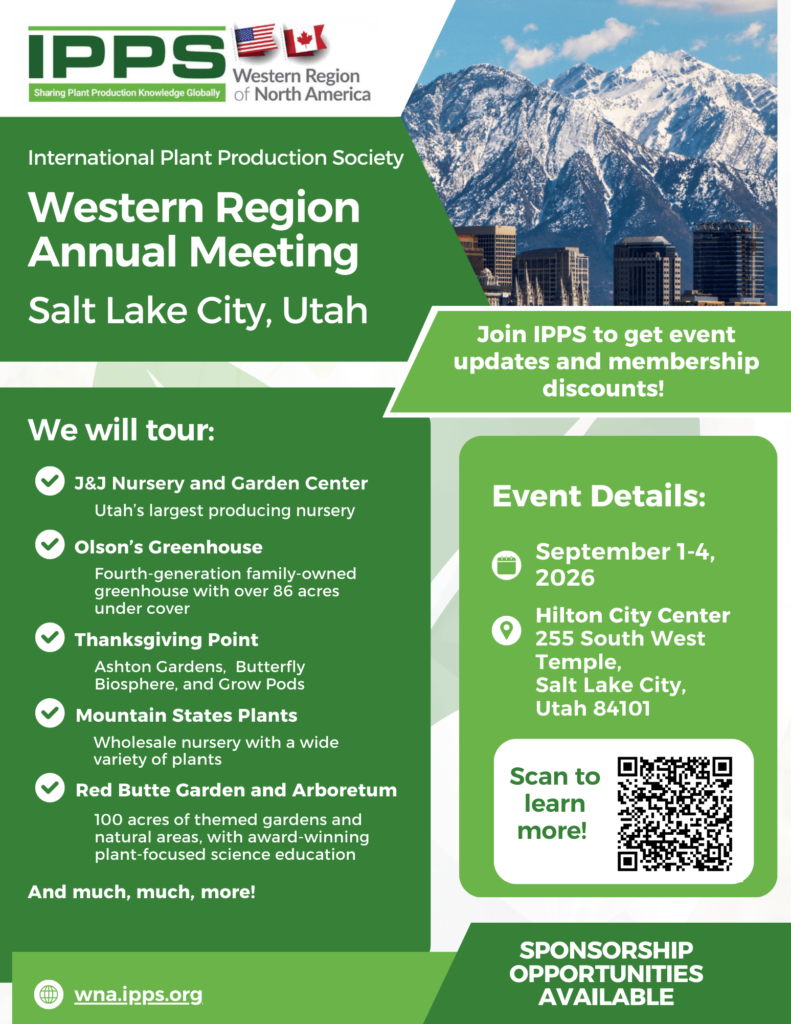
September 1 – 4, 2026
Salt Lake City, Utah – Hilton Salt Lake City Center
255 South West Temple, Salt Lake City, Utah 84101
REGISTRATION NOW OPEN
Hotel Information
Hilton Salt Lake City Center | 255 South West Temple, Salt Lake City, Utah 84101
Reduced rates available until August 11, 2026 or until our room block is full.
Room Rate: $189/night plus applicable taxes and fees.
Online Reservations: https://book.passkey.com/e/51156221
Phone Reservations: 801-328-2000, group code PLANT
Schedule
See full speaker talk titles and descriptions in the “Speakers” drop down below.
Tues, September 1
Pre Conference Tour
8:00 AM Departure from Hilton Salt Lake City Center Hotel. Stops at Antelope Island, Perennial Favorites, Mountain States Plants, J&J Garden Center
10:00 AM – 6:00 PM
Exhibitor Move In
4:30 PM Return to Hilton Salt Lake City Center Hotel
6:00 PM – 8:00 PM Opening Reception
All attendees and vendors welcome to attend.
Wed, September 2
Day 1
8:00 AM – 9:00 AM Commencement Breakfast
All attendees welcome to attend.
9:00 AM – 12:30 PM
Half Day Tour
Stops at Temple Square Gardens and Red Butte Garden & Arboretum in Salt Lake City.
12:45 PM – 1:45 PM Annual Business Meeting Lunch
1:45 PM – 5:00 PM Speaker Sessions
1:45
New Zealand Exchange Reports
2:15
Break/Poster Sessions
3:00
Aleshia Baker
3:30
Dr. Jeb Fields
4:00
Dr. Christopher Currey
4:30
Ross Shrigley
5:00 PM – 6:00 PM
Visit Your Exhibitors!
Dinner on own.
Thurs, September 3
Day 2
7:30 AM – 2:00 PM
Half Day Tour
Stops at Olson’s Greenhouse, Granite Seed, and Conservation Garden Park. Lunch included at Conservation Garden Park. Prepare for a longer bus ride this day.
2:00 PM – 5:00 PM Speaker Sessions
2:30
John Bergman
3:00
Dr. Yu-Ya Liang
3:30
Break
4:00
Amy May
4:30
Curtis Manning
5:00
Native Plant Panel
6:30 PM – 10:00 PM Banquet, Keynote Speaker Scott Skogerboe, Silent Auction
Fri, September 4
Day 3
7:30 AM
Continental Breakfast
8:00 – 11:30 AM Speaker Sessions
8:00
Chris Fifo
8:30
Dr. Alma Laney
9:00
Dr. Todd West
9:30
Matt Wang
10:00
Shelby Klassen
10:30
Elaine Sawyer
11:00
Larry Rupp
11:30
Nuggets of Knowledge
12:00 PM Annual Meeting Adjourns
12:00 PM Executive Committee Meeting
Schedule is subject to changes.
Keynote Speaker for Thursday Banquet: Scott Skogerboe, Fort Collins Nursery | Assisted Plant Migration in a Changing Climate. Preparing for the Future by planting Seed Orchards in our Urban Forests
Speaker schedule is subject to changes.
Wednesday
Christopher Currey, Iowa State University | PGRs in Propagation- Tools for Improving Herbaceous Young Plant Production
Producing young plants, including seedling plugs and rooted cutting liners- for finishing containerized herbaceous plants is an essential and economically important part of the greenhouse and nursery industries. The relatively short growing period and high planting density for young plants necessitates efficient and effective approaches to production. Among the numerous strategies of modifying environmental conditions and cultural practices, plant growth regulators (PGRs) are a useful tool to improve uniformity and quality while reducing crop time and labor costs. Some think PGRs in propagation is limited to dipping cuttings in auxin to promote rooting or applying a gibberellic acid (GA) synthesis inhibitor. However, there are additional ways in which PGRs can be used to reduce leaf senescence and abscission, enhance branching, and suppress flowering. There are also newer formulations of rooting hormones and GA-inhibiting active ingredients to expand possible treatments for young plants. This presentation will provide an overview of PGRs used in herbaceous seedling plug and rooted cutting liners for commercial producers in greenhouses and nurseries
Jeb Fields, University of Florida | Improve Productivity with Fewer Resources – Stratified Substrates Gives Growers Control Over the Root Zone
Substrate stratification is an emerging concept which gives growers more control over the root zone. Traditionally, container-grown plants use a uniformly blended substrate to fill their containers. Because this works, it is often the end of the line. However, as we move into a world with rising input costs, limited labor, and growing demand, we need to identify opportunities to maximize productivity and efficiency. Stratification has been show to improve water and fertilizer efficiency in nursery and greenhouse production. Moreover, it is effective at reducing reliance on costly substrate components, like peat, which has been a topic of great interest in recent years. This presentation will explore substrate stratification practices across nursery and greenhouse horticulture. We will discuss early conceptualization and theory behind the technique, benefits associated with reduced fertilizer, water and peat, as well as other benefits like improved root structure, shelf life, and uniformity. We will also discuss how to implement stratified substrates in your production operation and some tips to help you maximize your root zone productivity.
Ross Shrigley, Plant Select | Paid to Propagate: Mitigating the 5-Year Financial Risk of Tree Growing
Nursery production is a long-term game, with woody plants often requiring five to seven years of investment before they are ready for market. During this time, growers bear 100% of the financial risk—navigating shifting economies, extreme weather, changing trends, and labor shortages—only to sometimes end up with unsold, overstocked inventory. Meanwhile, city foresters operate on rigid one-year fiscal cycles, forcing them to purchase whatever is readily available rather than the diverse, resilient, or native species they actually need to build future-ready urban forests.
This presentation introduces the Conservation Plant Network, a modern, multi-year contract-growing framework designed to align the long-term realities of plant production with municipal sustainability goals. By utilizing smart contracts and digital transparency—including blockchain-backed tracking from seed to grown tree—this innovative system ensures provenance and genetic integrity while guaranteeing annual cash flow for growers. Discover how nurseries and municipalities can share risks, break the cycle of “settling for what’s available,” and establish a stable, profitable supply chain that financially rewards growers for growing the trees our communities need most.
Aleshia Baker, Utah Department of Agriculture and Food | Worker Protection Standards in the Greenhouse
The U.S. Environmental Protection Agency’s (EPA) Worker Protection Standard (WPS) is a regulation designed to protect agricultural workers and pesticide handlers from pesticide exposure. This presentation, Worker Protection Standards in the Greenhouse, offers an overview of the regulations that greenhouse managers must follow.
Emily Joseph, Hardy Fern Foundation and Rhododendron Species Botanical Garden | Western Region Exchange: A Horticultural Journey to New Zealand
Thursday
Yu-Ya Liang, Utah Valley University | Improving Seed Germination in Native and Wild Plants Through Hormone-Supplemented Tissue Culture
Native and wild plant species offer significant ecological and agricultural value, yet their broader use in horticulture and crop improvement is frequently hindered by poor seed germination. This study evaluated in vitro tissue culture as a strategy to overcome seed dormancy in two systems: thimbleberry (Rubus parviflorus), a native shrub with landscape and restoration value, and drought-tolerant wild tomato accessions (Solanum chilense and S. sitiens) from arid regions of South America. In both species, four half-strength Murashige and Skoog (MS) media formulations were compared, supplemented with gibberellic acid (GA₃), 6-benzylaminopurine (BAP), or both. In thimbleberry, GA₃-supplemented medium was the only formulation to induce germination, achieving a rate of up to 60% compared to less than 0.2% under standard conditions. When combined with mechanical scarification, germination was further accelerated, with emergence observed as early as 27 days after planting. In wild tomato, GA₃-supplemented medium similarly produced the most viable seedlings, with normal root and shoot development and successful greenhouse transition, whereas BAP-containing media induced faster but morphologically abnormal growth including callus formation and swollen stems. Together, these results suggest that GA₃ plays a central role in relieving dormancy across phylogenetically distant species, and that tissue culture with GA₃ supplementation offers a practical and scalable approach to improving propagation of both native plants and wild crop relatives.
John Bergman, Berger Soil | Best Practices for Handling Propagation Substrate
Best Practices for handling Propagation substrate. Learn how to get stronger and faster root development from your propagation substrate. Help increase the porosity, oxygen and gas exchange.
Amy May, Tree Utah | Planting Trees, Growing Community
TreeUtah has spent decades putting trees in the ground with volunteers in areas like the Jordan River, in schoolyards, in city parks. What we could never reliably do was find all the trees that we needed, especially in our restoration plantings. Native and straight-species stock was scarce, provenance was rarely documented, and the material we could buy often arrived so large our volunteers physically could not plant them, or so small they’d get lost in public spaces like open lands. After years of assembling orders from three nurseries at a time and driving them across the valley ourselves, we wondered if we could have our own nursery space someday. What we didn’t realize at the time was that before we could grow the trees, we had to grow a robust community network of Extension agents, county staff, fellow nonprofits, and commercial growers who help make our work possible.
Curtis Manning, Blooma Farms | General Practices of Native Perennial Production from Seed
This presentation will outline the way that Blooma Farms approaches seed propagation of native perennials. We’ll briefly discuss crop timing, seed acquisition, seed viability and associated challenges, seed preparation, stratification methods, trays & soils, environmental controls (watering, heat, light, etc.), liner production and finish production.
Chris Fifo, Darwin Perennials | From Flask to Finish-Acclimating Tissue Culture Perennials
Tissue culture is the present and future of several key perennial crops and growers would do well to familiarize themselves with the acclimation process. This presentation will explore the key factors that influence successful acclimation. Attendees will gain practical insights into developing acclimation protocols that reduce transplant losses, encourage strong root development, and improve crop consistency. Drawing on personal experience and current best practices, this session will provide growers with actionable strategies to optimize the transition from laboratory to greenhouse production, resulting in healthier plants, improved efficiency, and greater production success.
Scott Skogerboe, Fort Collins Nursery | Assisted Plant Migration in a Changing Climate. Preparing for the Future by planting Seed Orchards in our Urban Forests.
Banquet Keynote Speaker
In a climate changing so fast there is not enough time for trees to migrate naturally. They are going to need our help, especially those in the arid west. Assisted Plant Migration is a modern term, but many of us have another word for it—namely Horticulture. We’ve been going out exploring for new plants from southerly climates to see how they’ll do further north for generations. But it’s not just for fun anymore, we have to get serious. Climatic analog algorithms have forecast what our near future climate will be like in hundreds of our urban centers nationwide. It’s interesting to contemplate what our next move will be and for western propagators its going to be our job to bring these potentially threatened plants northward under our care in our cities, towns, farms and nurseries to preserve them for future generations.
Friday
Alma Laney, Utah Valley University | From the Wild to Your Backyard: Plant Viruses in Utah Backyard Gardens
The agro-ecological interface is a concept in plant pathology to explain the movement of pathogens between wild ecosystems and cultivated settings. In Utah, backyard gardens are an ingrained part of the culture dating back to the mid-1800s. However, despite how common backyard gardens are, little work has been done to characterize the plant viruses in this setting. To address this, a project was initiated in 2022 to determine the viruses present in two garden locations in Utah county, the UVU GRIT Garden and a community garden in Pleasant Grove. Additionally, plants in the surrounding wild ecosystems were also tested for plant viruses. Leaf samples were collected and preserved at -80°C and then subjected to RNA extraction and RNAseq using the NovaSeq platform. To date, we have identified numerous viruses in both the cultivated and wild ecosystems with some viruses being found in both ecosystems. Alfalfa mosaic virus, cauliflower mosaic virus, and beet curly top virus were common in both garden locations. Beet curly top virus was also prevalent in the wild ecosystem suggesting that these perennial plants serve as a reservoir for this virus. Future work includes the sequencing of samples to identify the causal agent of a whitefly-associated viral disease observed in 2025.
Todd West, North Dakota State University | New Trees and Shrubs: A Peek Into the NDSU Woody Plant Improvement Program
Overview of new trees released from the North Dakota State University Woody Plant Improvement Program (NDSU WPIP) that will grow in high pH soils and low water conditions.
Elaine Sawyer, Sound Horticulture | A Bug Story: Using Beneficial Insects in Plant Production
Biological control is both an art and a science. Each greenhouse tells its own story as biocontrol programs differ based on pests, temperature, humidity and season. The main characters are insects, predatory mites and entomopathogenic nematodes. A happy ending can be yours with planning, prevention and compatible pesticides.
Larry Rupp | Utah Water and Landscaping – A Retrospective and Thoughts for the Future
Utah’s population has more than doubled since 1989 with the great majority of that growth occurring in the Great Salt Lake (GSL) basin. Diversions of water for agricultural, municipal, and industrial uses have reduced the GSL to 31% of its natural volume and it is almost eight feet below the minimum healthy level. Further declines in GSL water levels risk the collapse of a unique ecosystem with unacceptable economic and ecological consequences. While landscape water conservation has been a concern in Utah since the 1990’s, concerns about GSL increasing the demand for water conservation even further. Landscaping has been identified as the greatest source of water depletion from municipal and industrial water systems. As a result, calls for reduced landscape water use are increasing. A history of landscape water conservation in Utah, the impact of the GSL situation, and some thoughts on what it all means for future landscape irrigation will be presented.
Shelby Klassen, Bloomin’ Easy | Beyond the Container: Trialing Plant Adaptability and Preservation for a Changing World
In the nursery industry, bringing a new plant from initial breeder selection to the garden center shelf is a multi-year process requiring significant resource investment. To guarantee a product performs reliably for growers, retailers, and end-consumers, trialing must push past the nursery gate. Using Bloomin’ Easy’s established trialing framework and ecological takeaways from the IPPS New Zealand “Southern Challenge” conference, this presentation dives into the mechanics of selecting and preserving resilient genetics. We will discuss the biosecurity and regulatory hurdles of conserving global plant species, alongside real-world landscape adaptabilities. Today, a successful plant release must do more than just look good in a container; it must possess the genetic resilience to adapt to harshening landscape realities.
Matt Wang, Red Butte Garden and Arboretum | 3D Seed Imaging and It’s Applications
Focus stacking images is not a new practice, but new 3d imaging microscope technology allows for higher quality images in a fraction of the time. These seed photos have a myriad of valuable uses including clues to unlocking seed dormancy, seed dispersal, systematic questions, and potentially even slowing poaching of rare plant seeds. Red Butte Garden and Arboretum is one of several botanic gardens working together to design and implement a searchable national seed image database to address these questions.
Tuesday, September 1, 2026
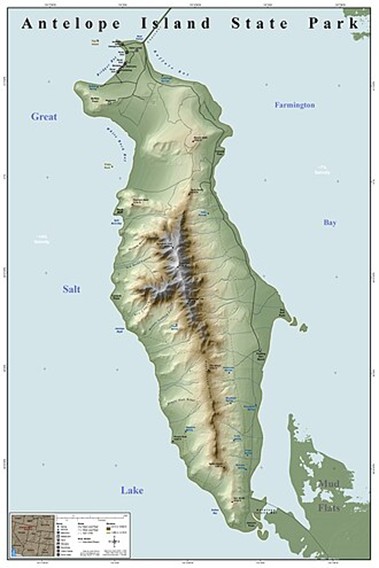
Antelope Island
We will take a professionally guided bus tour of Antelope Island to learn and discover what the largest island in Great Salt Lake has to offer!
Antelope Island is the largest island in the Great Salt Lake. Protected as Antelope Island State Park, it becomes a peninsula when lake levels are very low. The first recorded non-Native visitors were John C. Frémont and Kit Carson in 1845, who reportedly named the island after hunting a pronghorn there. Today the island supports wildlife such as pronghorn, bighorn sheep, mule deer, coyotes, bobcats, porcupines, badgers, and millions of waterfowl, as well as a bison herd introduced in 1893 that has become important for conservation. Geologically, the island consists of prairie grassland and alluvial plains surrounding a mountainous center of ancient Precambrian metamorphic and igneous rocks and Paleozoic sedimentary formations, some of the oldest rocks in the United States—older even than those exposed at the bottom of the Grand Canyon.
Perennial Favorites
Our second stop will be at Perennial Favorites with lunch.
In 1992, Preston and Melissa Cox started Perennial Favorites. It was a small wholesale nursery for the production of one-gallon perennials behind their home. Perennial Favorites was first thought of as a way to do something that they truly loved, which was growing plants, and a little added income for their family. Their family and extended family were all very supportive and involved in helping the business to get started.
Perennial Favorites started with just a few varieties of one-gallon perennials. The facility has now expanded to grow and sell well over 1,800 varieties of perennials, 900 varieties of vegetatively propagated annuals, 200 varieties of edibles, 150 varieties of annual and perennial grasses, and 200 varieties of native/water-wise plants. Each category is available in a variety of sizes and configurations throughout the season.
The company is now home to 8 acres of outside production area, 100,000 square feet of greenhouse space, and 13,000 square feet of office, warehouse, and production facilities that are in use year around. On staff are 25 full-time employees that collectively have decades of horticulture experience, both in wholesale and retail with varying degrees, certificates, and awards.
Mountain States Plants
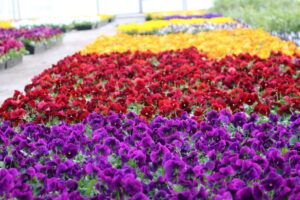
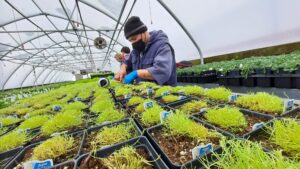
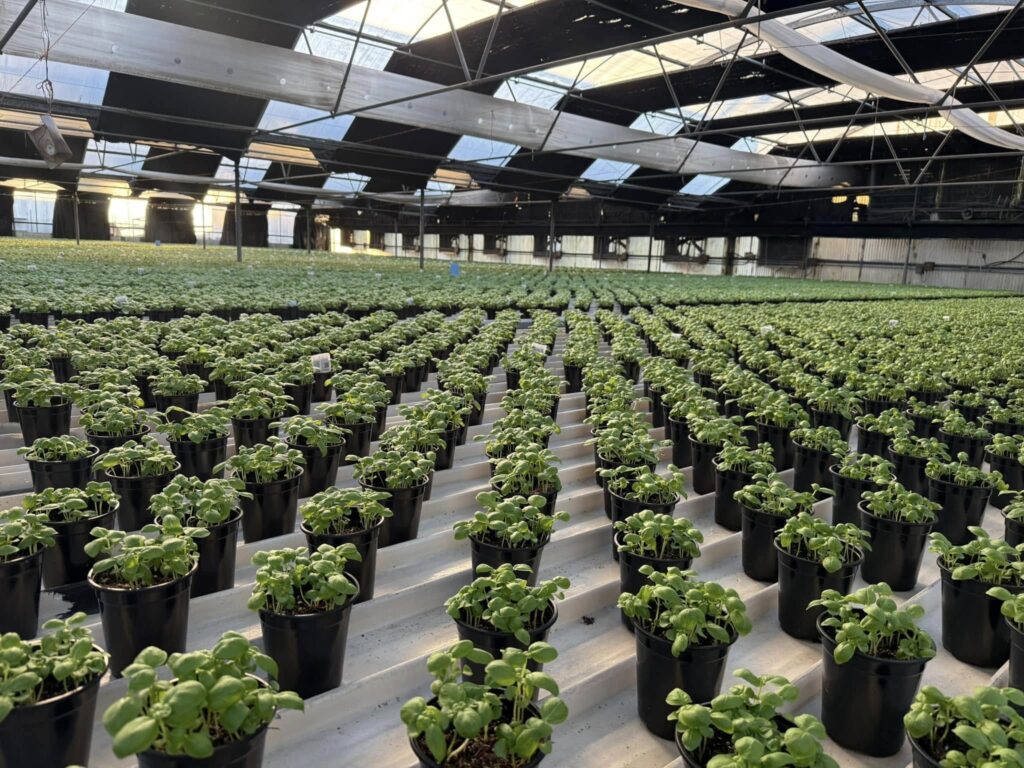
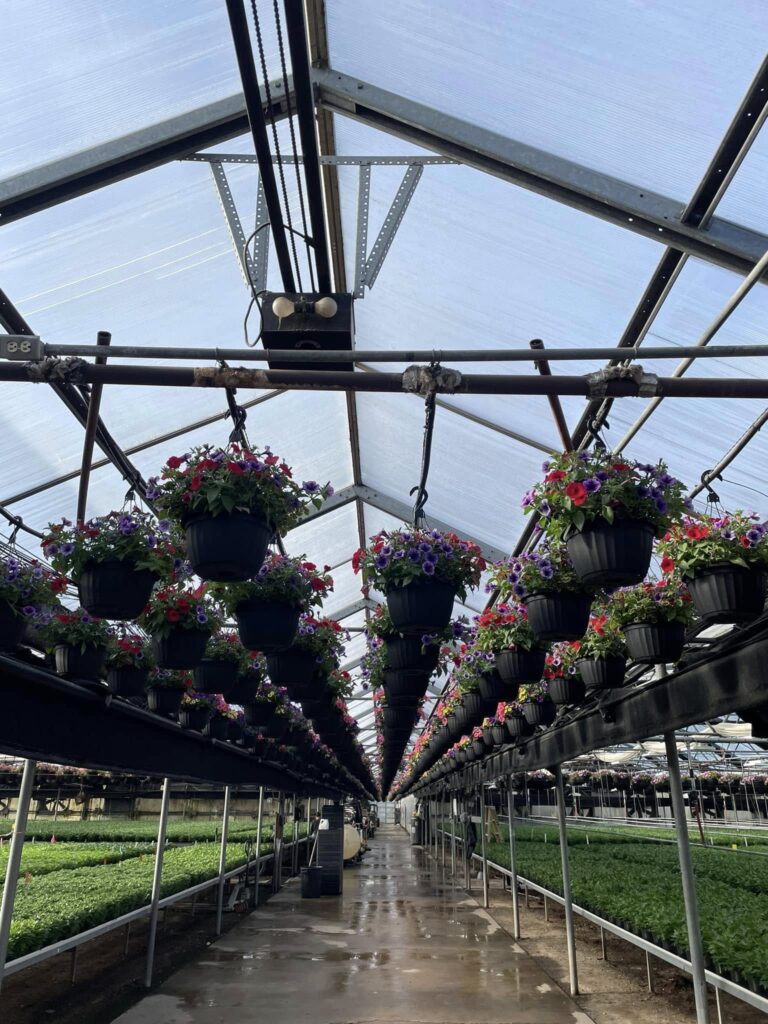
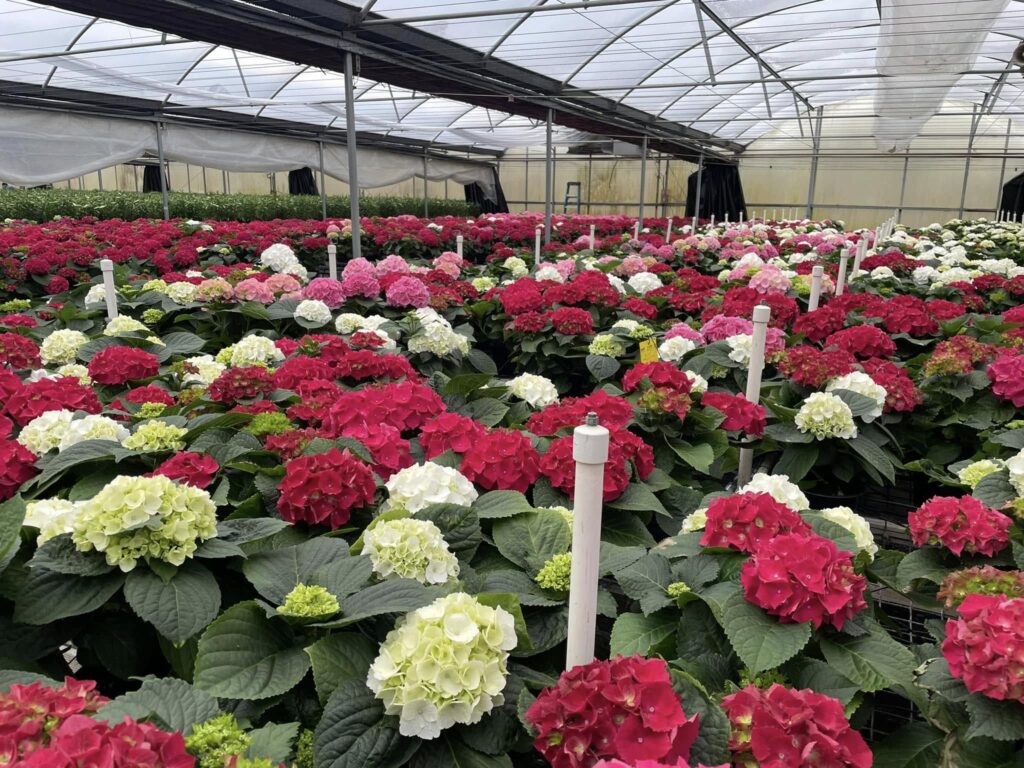
Our 3rd stop will be a visit to Mountain States Plants! Mountain States Plants is a wholesale nursery selling potted blooming plants to grocery store chains all across the West and ship over 12,000 pots of living basil every week to local supermarkets.
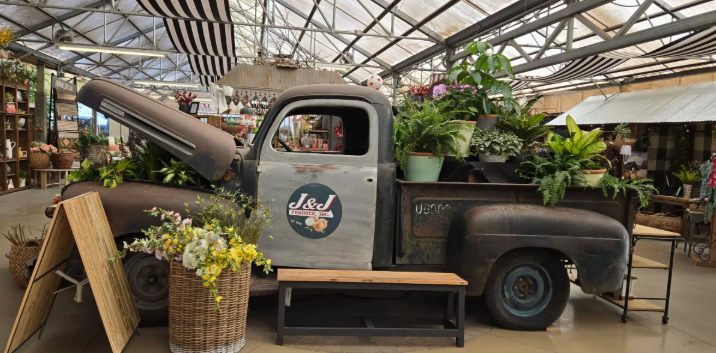
J&J Garden Center
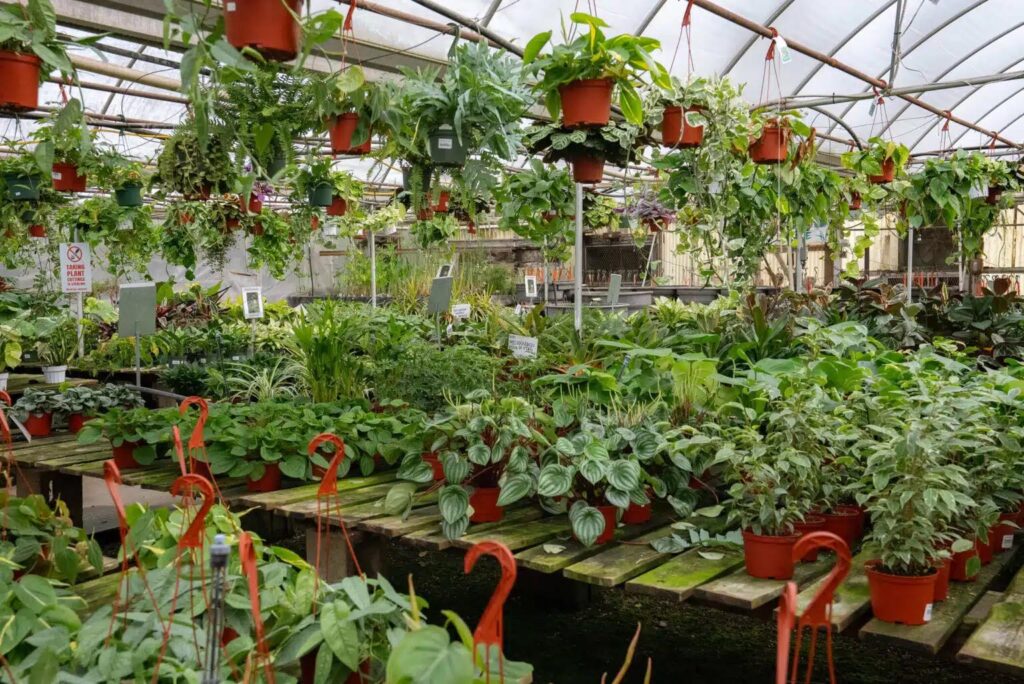
The final stop on our tour will be to J&J Garden Center, Utah’s largest producing nursery.
Originally a family farm dating back to pioneer times, brothers Jerry and Dave Stevenson now proudly own and operate J&J Garden center on the same land their father, grandfather and great grandfather farmed for generations. In addition to the large retail operation, J&J is also the preferred provider of nursery stock for over 100 landscape companies. According to Jerry, J&J is so successful because they own all of their own land and water and can control all of their labor and transportation costs, which translates into high quality and reasonably priced nursery stock for the consumer and landscaper.
Wednesday, September 2, 2026
9:00 AM Departure from Hilton Salt Lake City Center Hotel
12:30 PM Return to Hilton Salt Lake City Center Hotel
We will kick off the 2026 Annual Meeting with a welcome breakfast at the hotel, followed by two tour stops in the heart of Salt Lake City. While Day 1 only has two stops, these two locations could keep us busy all week!
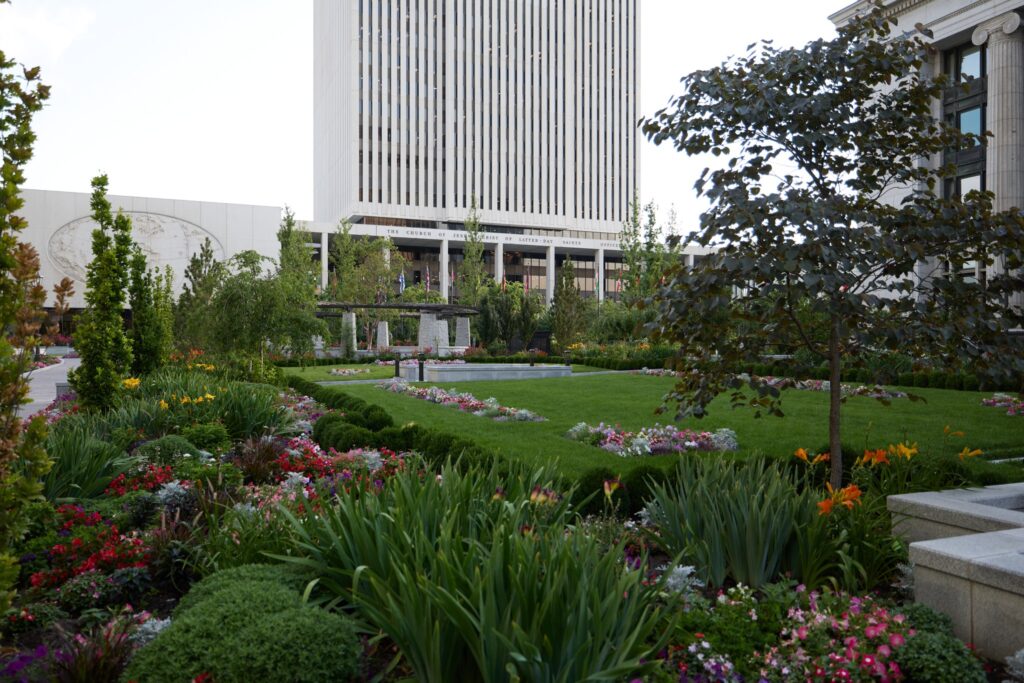
Temple Square
Temple Square stands as a top attraction for visitors to Utah and serves as the global headquarters of The Church of Jesus Christ of Latter-day Saints. This 35-acre property, located in the heart of Salt Lake City, surrounds the impressive Salt Lake Temple. Featuring 19th-century architecture and beautifully cultivated gardens, Temple Square serves as a sacred place of worship for Latter-day Saints while also being a popular destination for visitors.
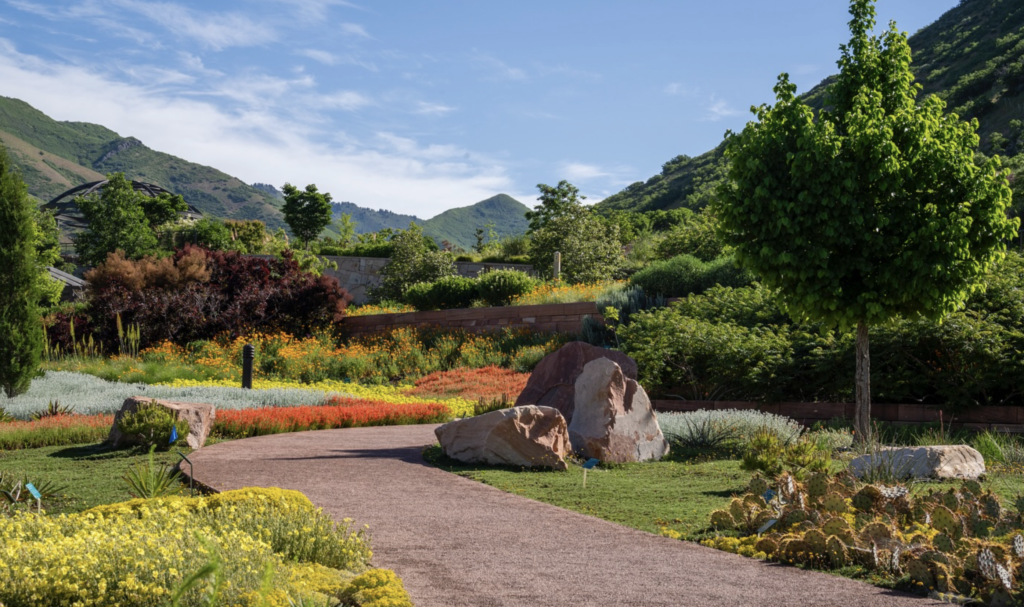
Red Butte Garden & Arboretum
Red Butte Garden and Arboretum is home to over 100 acres of themed gardens & natural areas, nestled into the foothills overlooking the Salt Lake Valley. Expert horticulturists will be offering tours that include options of themed gardens, natural areas, arboretum, and greenhouses.
Thursday, September 3rd, 2026
7:30 AM Departure from Hilton Salt Lake City Center Hotel
2:00 PM Return to Hilton Salt Lake City Center Hotel
Our second day of tours will have stops at Olson’s Greenhouse, Granite Seed, and lunch/tour at Conservation Garden Park!
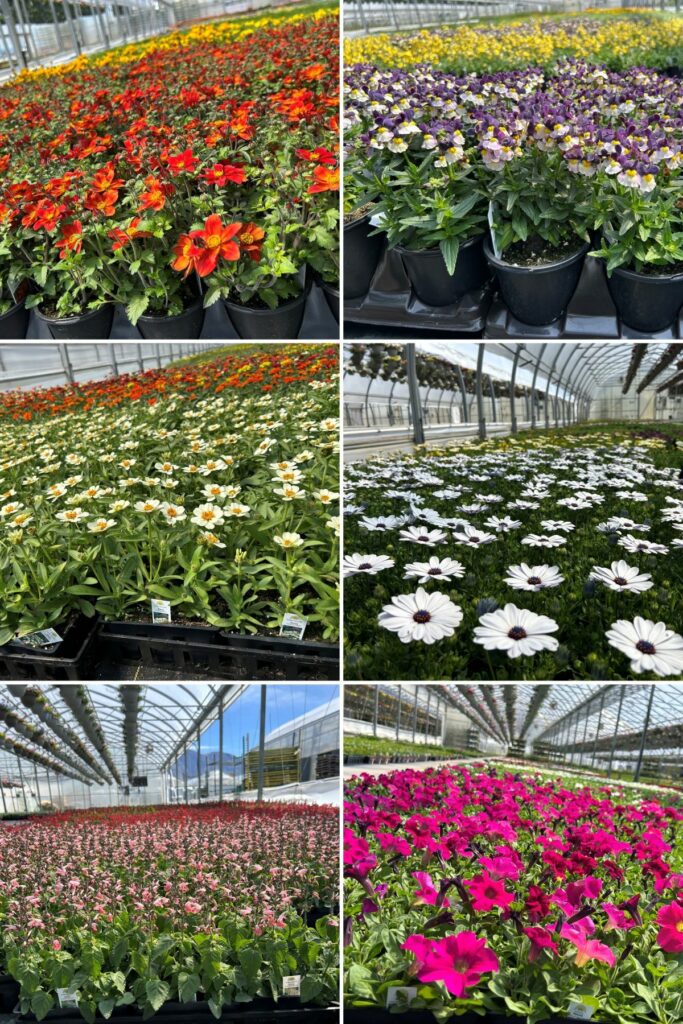
Olson’s Greenhouse
Originally named Olson’s Nursery, what began as a hobby has now become a 4th generation family-owned and operated business, dedicated to providing homeowners and landscapers with locally grown, acclimated bedding plants and related living ornamental plants. Olson’s Greenhouse stands tall as a testament to dedication, perseverance, and the enduring spirit of a family deeply rooted in the love for plants and their customers. With new facilities being acquired often, from Colorado to Arizona, our capacity is growing and with it, our capabilities. Innovation and growth each year proves to improve the product and the business.
Granite Seed & Erosion Control
For almost 40 years, Granite Seed has been widely recognized as the largest and most respected provider of reclamation & conservation seed and erosion control products in the Intermountain West and Southwest. As a vertically integrated company, we understand every critical aspect of the business: seed production and collection; seed cleaning and conditioning; complex seed blending; ecological expertise; and reliable distribution and delivery. From the most challenging projects covering tens of thousands of acres in the most hostile environments, to a single lawn or garden, Granite Seed is known for providing one-stop solutions for a wide variety of customers including contractors, corporations, government entities and homeowners.
Conservation Garden Park
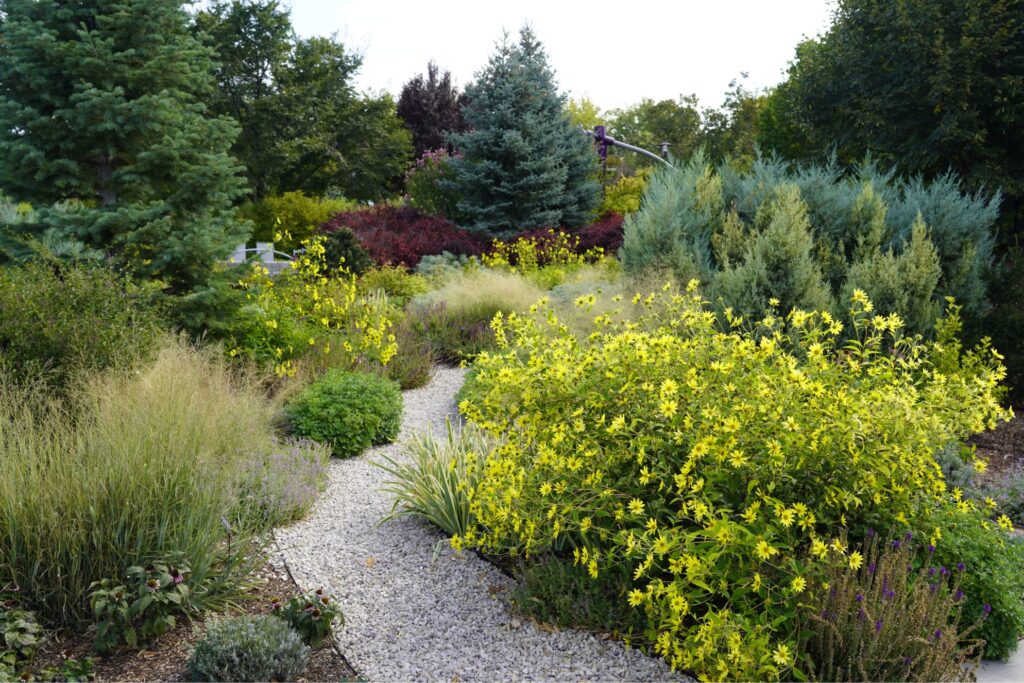
With more than 8 acres of exhibits, pathways and plants, Conservation Garden Park is Salt Lake County’s premier destination for learning about Utah’s unique climate and the role each of us can play in protecting our water supply. During your visit take a walk through a water pipe, explore a full-scale Localscape, see thousands of Utah-friendly plants, and learn how create and maintain your own water-efficient landscape.
At the heart of the Jordan Valley Water Conservancy District’s (JVWCD) commitment to responsible water stewardship lies Conservation Garden Park—a living testament to JVWCD’s dedication to sustainable resource management. At Conservation Garden Park, we model the efficient use of water in Utah landscapes and empower communities to make the most of our shared water resources. Here you learn how simple changes can result in big water savings. More than 60% of all the water delivered by JVWCD is used on outdoor landscaping. JVWCD recognized the need for waterwise landscaping across the Wasatch Front in the late 1990s and opened the Demonstration Garden in 2000, later expanding to Conservation Garden Park in 2011. Rooted in the understanding that water resources are both precious and finite, Conservation Garden Park not only features aesthetically pleasing and easily maintainable landscapes but also serves as an educational hub. JVWCD’s Conservation Garden Park plays a pivotal role in shaping a community that values and maximizes the efficiency of our shared water resources.
Sponsor Opportunities
We are excited to share that we have a wide range of sponsor opportunities for your company to participate in! It is with your support that we are able to put on these meetings and bring our industry together. Thank you in advance for your support. For any questions, please contact Brooke Palmer at brooke@agamsi.com
DEADLINE TO SPONSOR/EXHIBIT IS AUGUST 1ST, 2026
’26 Annual Meeting Sponsors











’26 North American Sponsors




Registration
Conference Package Descriptions:
Pre-Conference Tour + 3-Day Conference (Tues, Wed, Thurs, Fri) **Limited to 49 people
Includes Tuesday full-day tour, all sessions, Wed/Thurs tours, Scheduled Meals, Tuesday Reception, and Thursday Banquet
3-Day Conference (Wed, Thurs, Fri)
Includes all sessions and Wed/Thurs Tours, Scheduled Meals, Tuesday Reception, and Thursday Banquet
Single Day (Wed, Thurs, or Fri)
Wednesday – Includes tour, speakers, breakfast and lunch.
Thursday – Includes tour, speakers, snacks and lunch. Banquet ticket is NOT included in single day price.
Friday – Includes half day of speaker sessions and breakfast.
Banquet Only (Thurs)
A la carte banquet ticket for guests/spouses or Thursday single day attendees that are not registered for the conference. Pre-Conference and Conference Only registration packages INCLUDE a banquet ticket.
Member Prices
Pre-Conference Tour + 3 Day: $500
3-Day Conference Only: $400
Single Day (Wed/Thurs): $200
Single Day (Fri): $100
Non-Member Prices
Pre-Conference Tour + 3 Day: $630
3-Day Conference Only: $530
Single Day (Wed/Thurs): $250
Single Day (Fri): $100
Student Prices
Pre-Conference Tour + 3 Day: $400
3-Day Conference Only: $350
Single Day (Wed/Thurs): $175
Single Day (Fri): $50
Pre-conference and Conference Only packages will increase by $100 after August 1st.
Option to join or renew your membership is also available when completing the online or printed registration form.